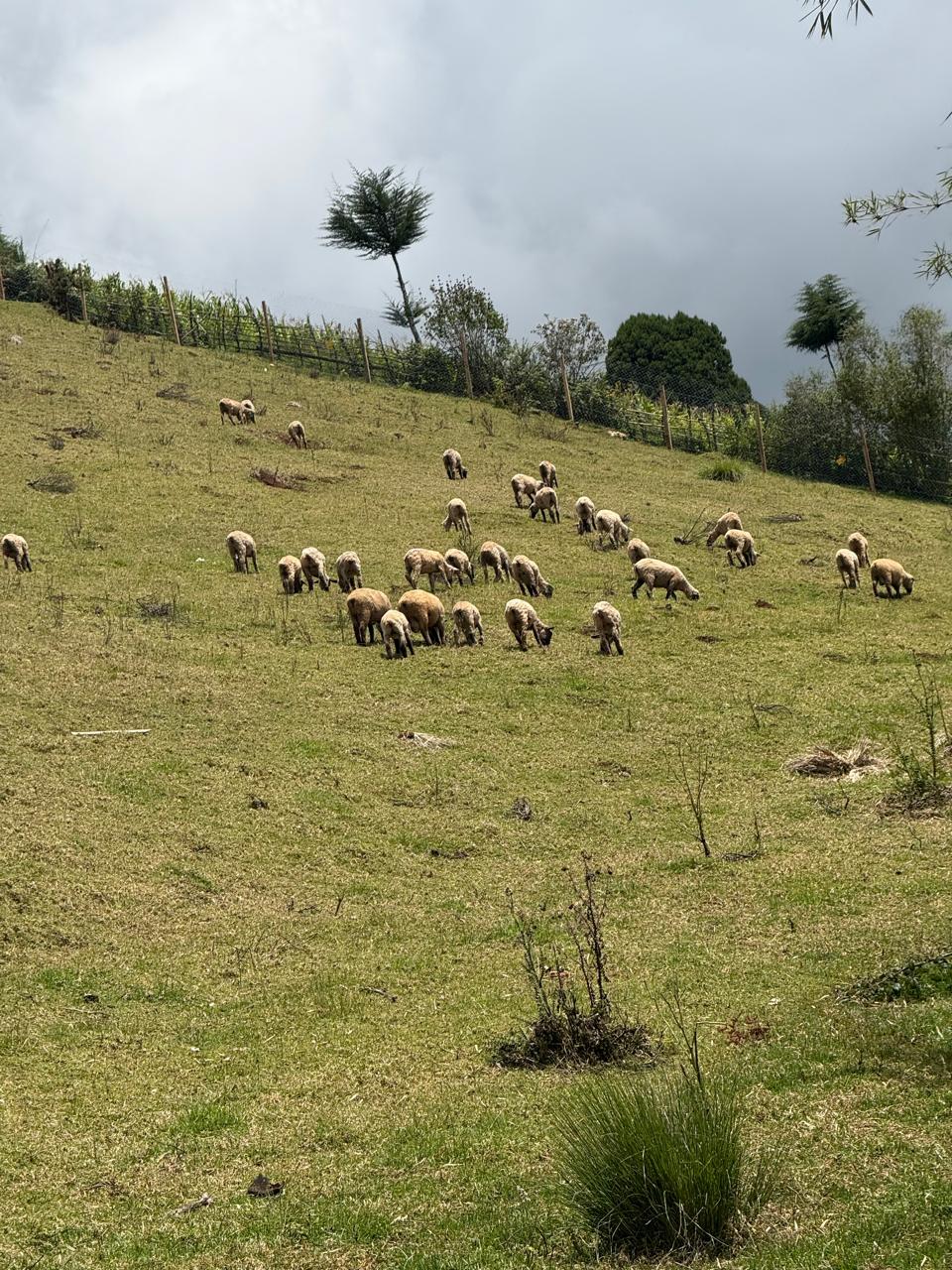
How We Improved Our Sheep Pastures Through Better Grazing
Keeping our flock healthy starts with strong pastures. For years, our paddocks at Skyler-Fel showed the same pattern every dry season: bare patches near the water troughs, overgrazed lower fields, and grass that never quite recovered before the sheep were moved back in. We knew something had to change.
So in early 2025, we introduced a careful rotational grazing system that gives our sheep fresh grass, improves soil health, and allows our paddocks to recover naturally throughout the seasons.
The Problem With Continuous Grazing
Before the change, our flock had access to large open paddocks for extended periods. While this seemed efficient on paper, the sheep would naturally favour certain areas close to water points and shade — and graze those spots down to bare soil while other sections grew long and coarse, becoming unpalatable.
Over time, this led to soil compaction, erosion on the worn paths, and a steady decline in pasture quality. We were feeding more supplementary feed than we wanted to, and our vet bills for hoof problems were creeping up.
Designing the New System
We divided our 120-acre farm into eight paddocks of roughly equal grazing value, using a mix of electric fencing and permanent post-and-wire boundaries. Each paddock is grazed intensively for 4–7 days, then rested for a minimum of 28 days before the flock returns.
This "graze hard, rest long" approach mimics how wild grazing herds naturally move across land eating, moving on, and giving the land time to recover before being grazed again.
What We Measured
Over one full grazing season, we tracked grass height, ground cover percentage, and soil moisture across all eight paddocks. The results exceeded our expectations:
- Average grass recovery time improved by approximately 40% compared to the old system
- Bare ground coverage near water points dropped from 35% to under 10%
- Supplementary feed costs fell by roughly 18% during the dry season
- Lamb weaning weights improved as ewes had more consistent access to quality forage
Lessons for Other Farmers
If you're considering a similar system, start small. We trialled the rotation on two paddocks for one season before committing the whole farm. Water access in every paddock is non-negotiable sheep won't graze well if they have to walk far for water, so plan your fencing around existing water points first, then divide the land.
We also recommend keeping a simple grazing chart on the wall of your farm office. A basic calendar showing which paddock is in use and when it was last grazed takes the guesswork out of rotation timing.
What's Next
We're now experimenting with multi-species grazing — running a small group of goats alongside the sheep in some paddocks, since goats browse different plants than sheep graze, which should further improve pasture diversity. We'll share results once we have a full season of data.