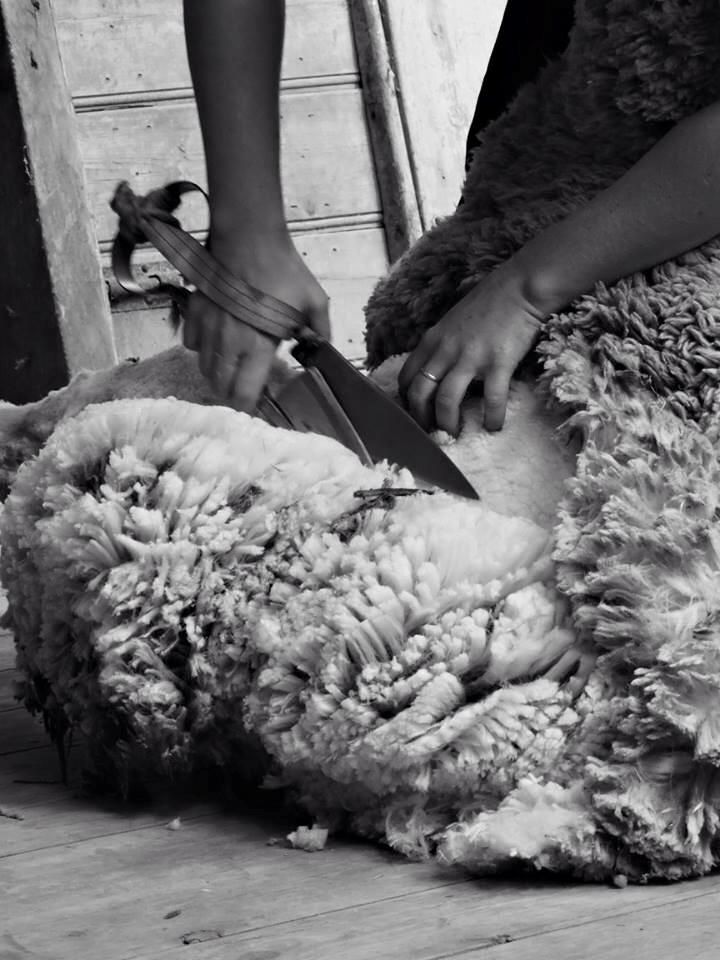
Shearing Season 2025: What We Learned About Fleece Grading
This season we sent fleece samples from our Merino flock to two different wool testing laboratories. The differences in the results — and what they mean for how you price your wool were genuinely eye-opening, and worth sharing with anyone selling raw or processed fleece in Kenya.
Why We Tested Twice
Wool buyers increasingly ask for objective micron testing rather than relying on a visual or hand-feel assessment. We wanted to understand how much variation exists between labs before committing to one as our standard reference for pricing negotiations.
What We Found
Average fibre diameter readings between the two labs differed by roughly 0.8 microns across our sample set a small but commercially significant gap, since wool pricing brackets often hinge on differences of just one micron. Staple length and yield percentage readings were more consistent.
Grading Our 2025 Clip
Across this season's full shearing, our Merino flock produced fleece averaging 19.4 microns, placing the bulk of our clip in the superfine bracket. We separated fleece into three grades during shearing itself — main fleece, belly and leg wool, and skirtings which significantly improved the price we achieved for the top grade.
Practical Takeaways for Wool Farmers
- Skirt fleece on the shearing board, not after baling — it saves significant time
- Keep main fleece, bellies, and stained wool in separate bags from the start
- Build a relationship with one testing lab and stick with it for consistent year-on-year comparison
- Shear before the rains where possible — wet fleece is harder to skirt cleanly and more prone to staining
Looking Ahead
Next season we plan to introduce individual fleece weighing at shearing, which will let us identify and select for our highest-yielding ewes an important step as we work to improve the genetic quality of our wool flock over time.